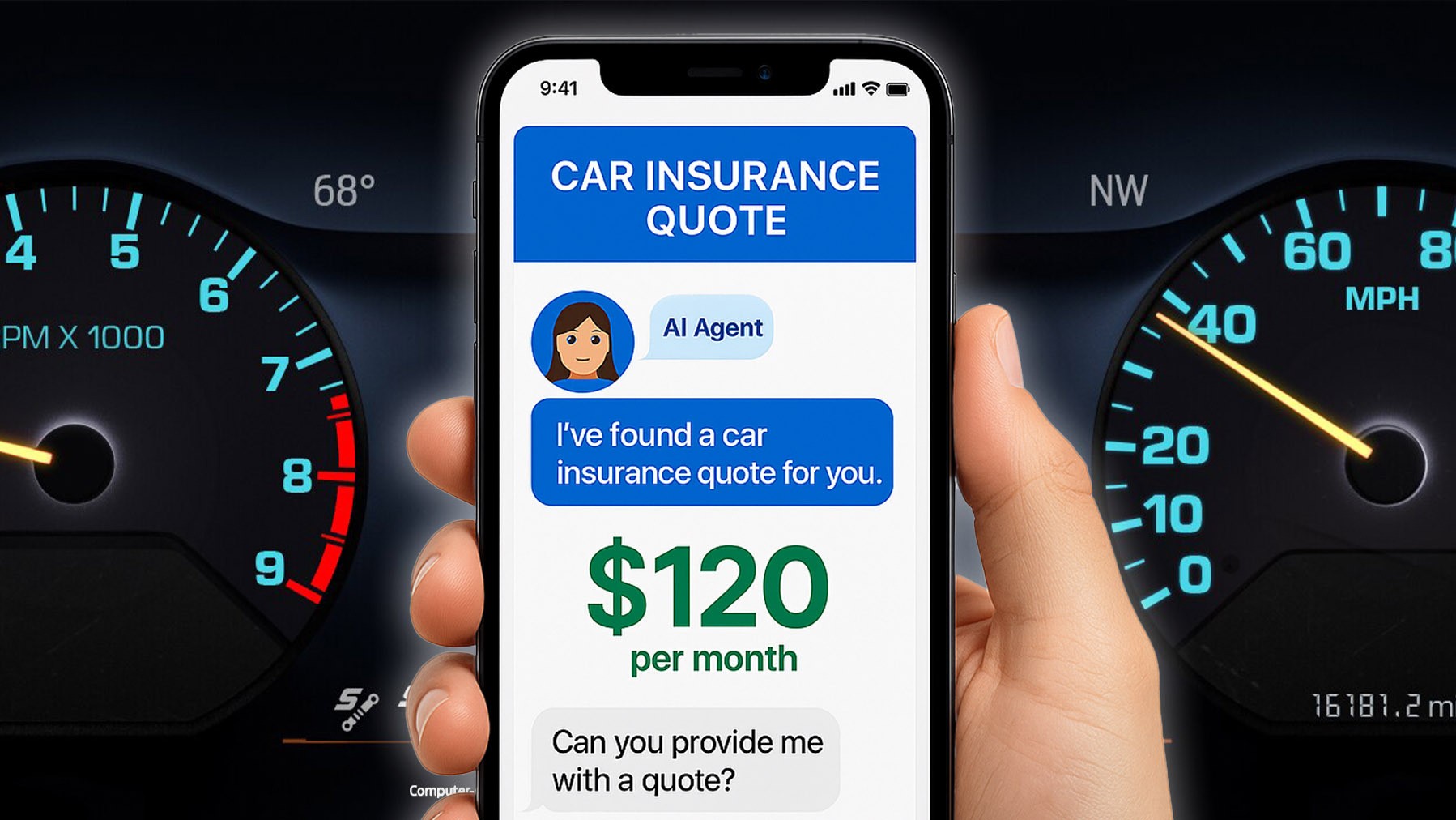
A growing number of Americans are now using artificial intelligence to shop for and even finalize their car insurance policies, according to a recent study by Insurify. The trend signals a wider shift towards algorithmic financial decision-making, though trust levels remain uneven depending on the application.
AI-Driven Shopping: A Rapidly Growing Trend
The survey of 3,002 U.S. drivers revealed that 42% have already used AI assistants to help them find car insurance deals. An even larger 86% said they trust AI to guide them through the process, suggesting a surprisingly high comfort level with automated financial advice. The primary driver is price comparison: 76% of respondents specifically use AI to obtain quotes from different insurers.
This adoption isn’t uniform across demographics. 60% of Gen Z drivers have turned to AI for insurance shopping, compared to only 20% of baby boomers. This generational gap reflects broader differences in comfort with technology managing financial decisions. Adoption also varies by state, ranging from 55% in California to 34% in Illinois.
The Price of Trust: How Much Savings Changes the Equation
Trust in AI’s role extends beyond simply comparing quotes. 39% of drivers would allow AI to finalize their insurance purchase if it secured a cheaper rate. This percentage jumps significantly with higher potential savings: 68% would allow AI to finalize if it could save $1,000 or more. The data suggests that trust grows directly proportional to the financial benefit.
Notably, 52% of Americans believe AI can compare insurance quotes more effectively than a human agent, and 42% of Gen Z think AI could even handle customer service better. This indicates a growing expectation that AI can outperform traditional methods in certain areas of the insurance process.
Where Trust Breaks Down: Claims and Fault Determination
Despite the growing reliance on AI for shopping, trust falters when it comes to critical outcomes. Only 40% would trust AI to approve or deny claims, and just 38% would trust it to determine fault in an accident. This suggests that while Americans are comfortable letting AI find the best price, they still prefer human oversight when significant financial or legal consequences are involved.
The study reinforces that convenience and cost savings are primary motivators for AI adoption in insurance, but the human element remains crucial when high-stakes decisions are at play.
The trend highlights a broader shift toward algorithmic assistance in personal finance. As AI becomes more integrated into daily life, its role in financial decisions will likely continue to expand, but the limits of trust will remain a key factor in its ultimate acceptance.