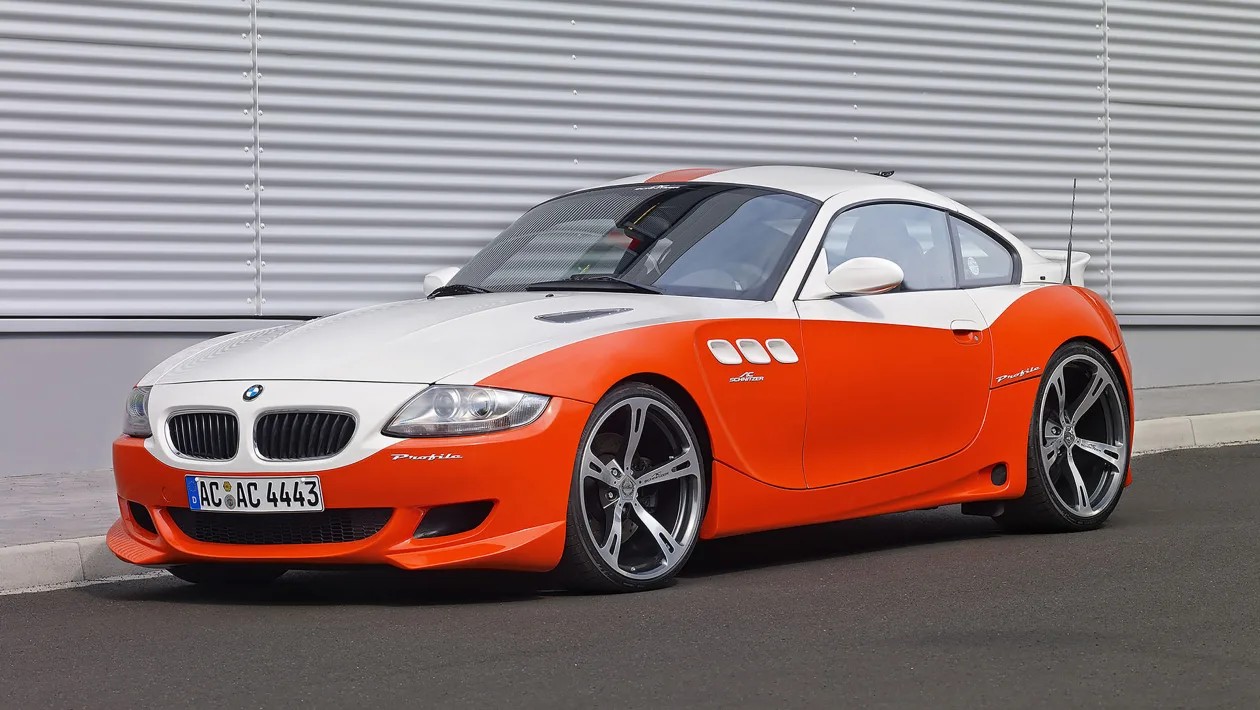
After nearly 40 years as a prominent name in BMW aftermarket performance, AC Schnitzer will cease operations by the end of 2026. The decision, announced by its parent company Kohl Group, marks the end of an era for the tuning firm celebrated for its distinctive body kits, racing history, and high-performance upgrades.
Economic Pressures and Regulatory Hurdles
Kohl Group cites “economic non-viability” as the primary reason for the shutdown. According to Managing Director Rainer Vogel, rising production costs and Germany’s notoriously slow vehicle part approval process have placed AC Schnitzer at a significant disadvantage compared to competitors outside the country. This regulatory burden, combined with increasing expenses, has made continued operation unsustainable.
Shifting Automotive Landscape and Declining Demand
The decline of AC Schnitzer is also linked to broader trends in the automotive industry. The shift towards electric vehicles (EVs) reduces opportunities for traditional tuning, as EVs present different modification challenges than internal combustion engines. The company acknowledges that it has failed to attract younger customers with the same enthusiasm as previous generations, signaling a generational shift in automotive preferences.
US Tariffs and Market Conditions
Additional challenges include tariffs in the crucial US market, which have further strained profitability. The Kohl Group states that evolving consumer behavior—specifically, the diminishing demand for high-performance ICE-based tuning—has exacerbated the situation.
Legacy and Future Prospects
AC Schnitzer’s history includes successful motorsport participation in touring car and rally racing, as well as aftermarket support for vehicles like the Toyota Supra (shared platform with the BMW Z4). Although its racing division concluded operations in 2021, the brand remains well-known among BMW enthusiasts.
The Kohl Group is now seeking potential buyers for the AC Schnitzer brand. Existing customers are assured of continued warranty and after-sales support beyond 2026.
The closure of AC Schnitzer reflects the broader pressures facing traditional automotive tuners amid industry-wide changes, stricter regulations, and shifting consumer preferences. The future of aftermarket tuning may depend on adapting to new technologies and finding ways to engage younger audiences.