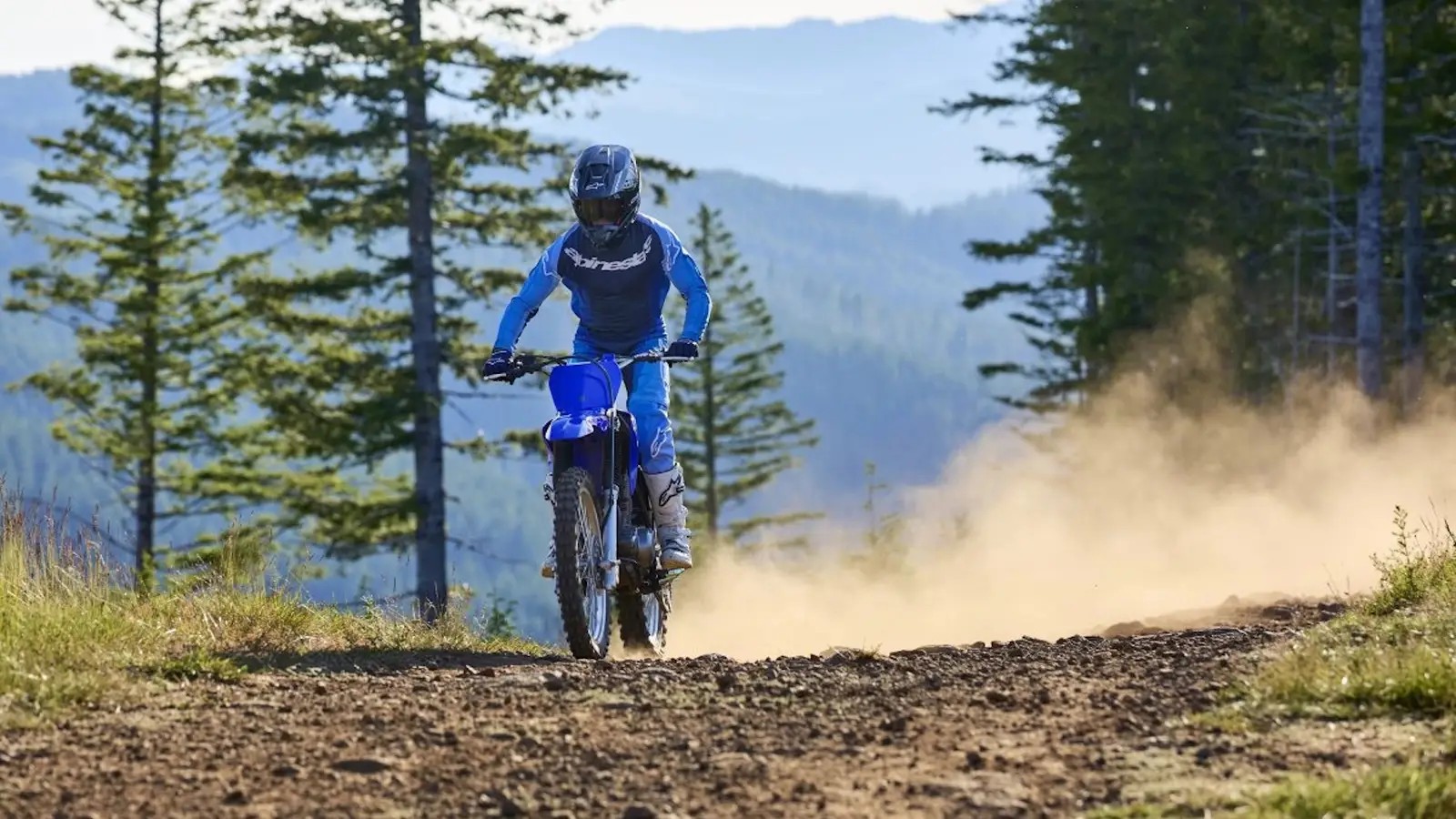
The dirt bike market has changed dramatically. While manufacturers once prioritized accessible entry-level machines, the focus shifted toward high-performance models, sometimes leaving new riders with bikes that are too powerful or intimidating. Fortunately, several manufacturers, particularly in Japan, still offer excellent options for beginners. These bikes are typically lightweight, durable, and easy to handle, making them ideal whether you’re a teen or an adult just starting out.
Why This Matters: The increasing complexity of modern dirt bikes can create a steep learning curve for new riders. Choosing the wrong bike can lead to frustration, accidents, or simply abandonment of the sport. A beginner-friendly machine builds confidence and skill without overwhelming the rider.
Top Dirt Bikes for New Riders
The following list is based on MSRP data from manufacturers like Yamaha, Honda, and KTM. Prices can vary, so checking with local dealers is essential.
Yamaha TT-R125LE ($3,599)
Designed for riders moving up from smaller bikes, the TT-R125LE is also perfect for adults starting out. With a seat height under 32 inches and over 11.6 inches of ground clearance, this bike is capable on trails while remaining approachable. It’s a solid foundation for future upgrades to larger dual-sport or ADV bikes.
Suzuki DR-Z125L ($3,649)
Virtually identical to the Yamaha TT-R125LE, the DR-Z125L offers a similar 19/16-inch wheel combination, a 32-inch seat height, and a weight just under 200 pounds. The choice between these two often comes down to color preference or dealer pricing.
Honda CRF125F Big Wheel ($3,999)
Honda’s naming convention can be confusing, but the “F” designation typically indicates a more approachable model. While the CRF line includes high-performance motocrossers, the CRF125F is an entry-level option that remains capable for trail riding.
Kawasaki KLX140R L ($4,099)
This is our pick among the Japanese “big wheel” alternatives. Its air-cooled 144cc engine offers punchy performance, making it slightly more exciting than the 125cc options. However, it’s also the most expensive in this class, so consider if the extra cost is justified for a first bike.
Zero XB ($4,395)
The Zero XB bridges the gap between e-bikes and motorcycles. It’s a fun way to learn, but its 40-mile range at 30 MPH is limited. Faster riding drains the battery quickly, offering only a few hours of ride time per charge. This is suitable for beginners but may become restrictive as skills improve.
Yamaha TT-R230 ($4,699)
The TT-R230 is a simple, reliable bike perfect for learning maintenance. Its air-cooled single makes it durable, and it’s a bike you can keep for years. With around 17 horsepower, it’s not overly powerful but still capable for trail riding.
Honda CRF300F ($4,999)
The CRF300F is more expensive than the TT-R230 but includes fuel injection, which some riders prefer. However, it’s also the heaviest bike in this class at 273 pounds, potentially making it harder to handle for beginners.
Kawasaki KLX230R ($4,999)
The KLX230R is a step up from the other bikes in this class, offering more advanced features that experienced riders will also enjoy. It’s an excellent option for honing off-road skills or simply enjoying trail riding.
KTM Freeride E-XC ($11,299)
The Freeride E-XC is a premium electric option with high-end components. While approachable thanks to its direct drive automatic and adjustable speed limits, it suffers from the same range issues as other electric bikes, offering only a couple of hours of ride time.
Bonus: Surron Storm Bee (Price Varies)
The Surron Storm Bee is a legitimate electric motorcycle, currently difficult to obtain in the US but available in Canada. It can be restricted to 30 MPH but also offers enough power for trail riding. Its 75-mile range is superior to the KTM and Zero, making it a compelling choice.
In Conclusion: Choosing the right dirt bike for a beginner is crucial for building confidence and enjoying the sport. While price and features vary, the models listed above offer a balance of affordability, durability, and ease of use. Prioritize a bike that fits your skill level and physical stature to maximize your learning experience.